
How A Full Vehicle Check Helps Find Problems Early
A full vehicle inspection looks at safety, wear, and performance issues. It helps spot small problems before they grow. Many drivers feel unsure about what gets checked and why it matters. An inspection follows a clear process and uses proven standards. Knowing what happens helps you plan time, cost, and next steps. It also builds trust when results match what you see and feel on the road. This guide explains each stage, the benefits, and what to expect.
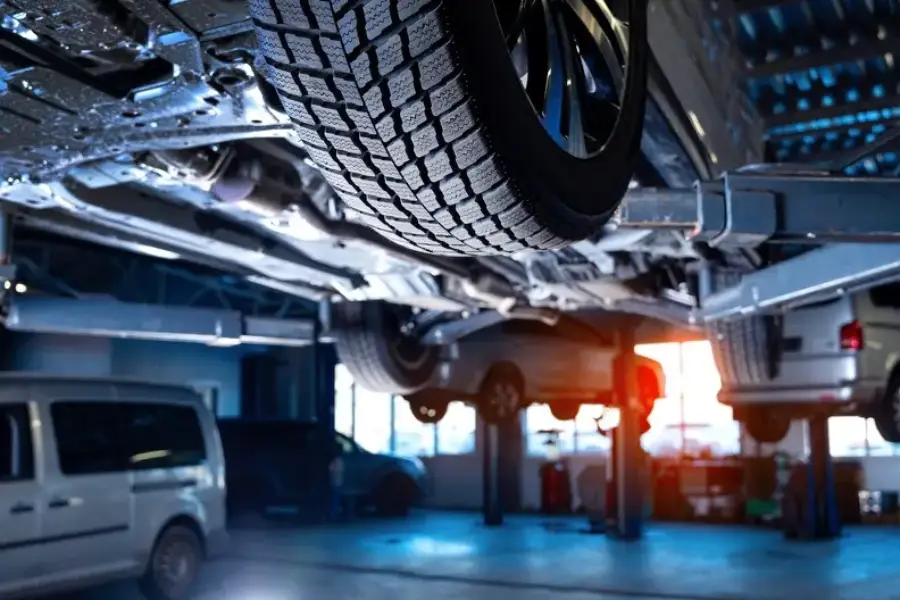
Overview of the Full Mechanical Review Process With Clear Goals
The inspection starts with a plan that follows industry checklists. Technicians record vehicle details and customer concerns first. They then review safety items, fluids, and visible wear. This structured start reduces missed issues during car repair evaluations. Clear goals guide the work and keep results easy to explain. You gain a written snapshot of current condition and risks.
Key Benefits That Protect Safety and Reduce Long Term Costs
A complete inspection helps you drive with confidence and fewer surprises. Early findings lower the chance of roadside breakdowns. Reports also support smarter choices during car repair decisions. Benefits often include better fuel use, safer braking, and longer part life. Shops can rank issues by urgency, which helps budgets. You also gain proof for resale or warranty needs.
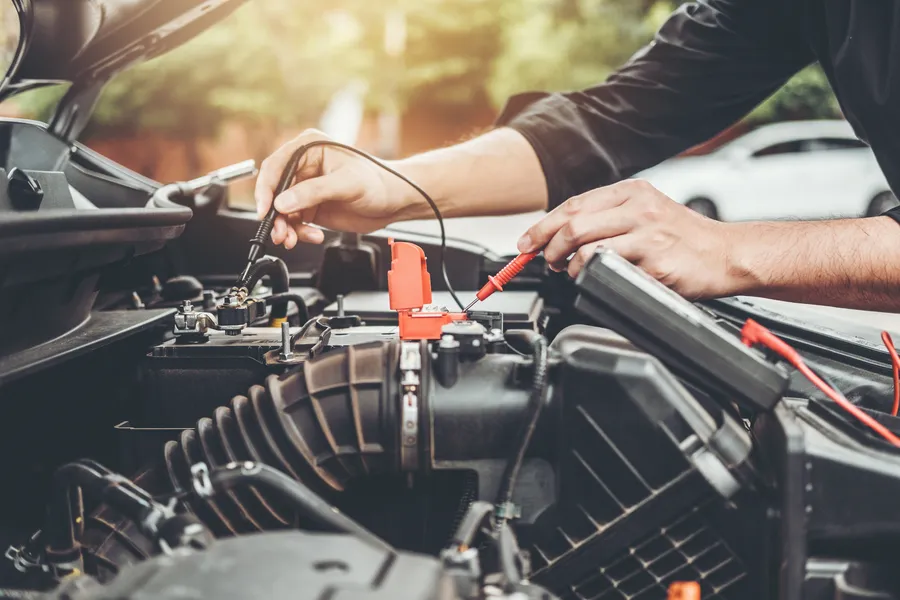
Common Problems Found During A Detailed Vehicle Check With Examples
Inspections often find issues drivers cannot hear or see. Worn brake pads may look fine through wheels. Fluid leaks can hide under shields. Battery tests reveal weak cells before failure. Tire wear patterns point to alignment trouble. Small problems matter because they affect safety and costs.
Step by Step Inspection Workflow With Simple Explanations
Technicians follow a repeatable sequence to avoid gaps. Each step has a reason and a basic test method.
- Review warning lights and scan codes to find stored faults
- Check brakes, tires, and steering for safety wear
- Inspect fluids, belts, and hoses for leaks or cracks
- Test battery and charging output under load
- Road test to confirm noise, vibration, or handling concerns
Pros and Cons of A Full Inspection Compared to Quick Checks With Clarity
Different inspection levels fit different needs. Understanding tradeoffs helps pick the right service.
- Pros: deeper safety review, clearer estimates, fewer repeat visits
- Pros: early detection reduces major failures
- Cons: takes more time than a quick check
- Cons: higher upfront cost than basic visual reviews
Best Practices That Improve Accuracy and Trust With Results
Consistent methods improve outcomes for both shops and drivers. These practices keep results reliable and easy to act on.
- Use standardized checklists for every vehicle
- Document findings with photos and measurements
- Explain urgency levels using simple language
- Invite questions before approving any work
Industry Standards and Safety Requirements With Compliance Focus
Inspections follow state safety rules and manufacturer guidance. Brake thickness, tire tread depth, and emissions tests use set limits. Diagnostic scans use standard protocols to read fault codes. Using these standards ensures consistent quality. Compliance protects consumers and supports warranty claims. It also reduces liability for shops and owners.
Cost Factors and Value Considerations With Budget Planning Tips
Prices vary by vehicle size, engine type, and inspection depth. Hybrid systems add steps and tools. Regional labor rates also matter. While costs differ, value comes from fewer surprises later. A clear report helps prioritize fixes over time. This approach supports smarter spending and safer driving.
Next Steps for A Trusted Vehicle Inspection With Local Support
Located in Neoga, IL, we provide clear inspection reports that support smart decisions. L & C Auto Repair Roadside and Towing Service focuses on safety, honesty, and practical guidance for every visit. Call (217) 803-2265 to schedule an inspection and discuss concerns with our team. We explain findings, rank priorities, and plan timelines together.