
With Everyday Driving Risks That Shorten Tire Life
Many drivers deal with flat or worn tires at some point. Road conditions play a large role in this problem. Daily driving exposes tires to sharp objects, poor pavement, and pressure changes. These issues can lead to loss of grip, poor handling, and unsafe stops. Understanding how damage happens helps you avoid delays and high costs. When you know what to watch for, you can plan better routes and drive with care. This knowledge also helps you spot early warning signs. A simple check before trips can lower risk and stress.
With Key Benefits of Understanding Road-Related Tire Issues
Learning why tires fail gives clear benefits for drivers. You reduce surprise breakdowns and protect your vehicle. You also gain better control during sudden stops. In some cases, timely tire repair can avoid full replacement. Knowing risks helps you plan safer routes and check pressure often. These steps save money and time. They also protect other parts of your car from stress.
- Fewer roadside emergencies during trips
- Longer tread life for each tire
- Better braking and handling on wet roads
- Lower long-term driving costs
With Potholes and Broken Pavement as Leading Causes
Potholes form when water seeps into cracks and freezes. Repeated traffic then breaks the surface. Hitting one can cause sidewall bubbles or bent rims. Many drivers discover damage days later. Tire repair often follows these hits because small cracks grow with heat and speed. Slowing down on rough streets helps reduce harm. Keeping space from other cars gives you time to avoid holes.
With Road Debris Creating Sudden and Hidden Risks
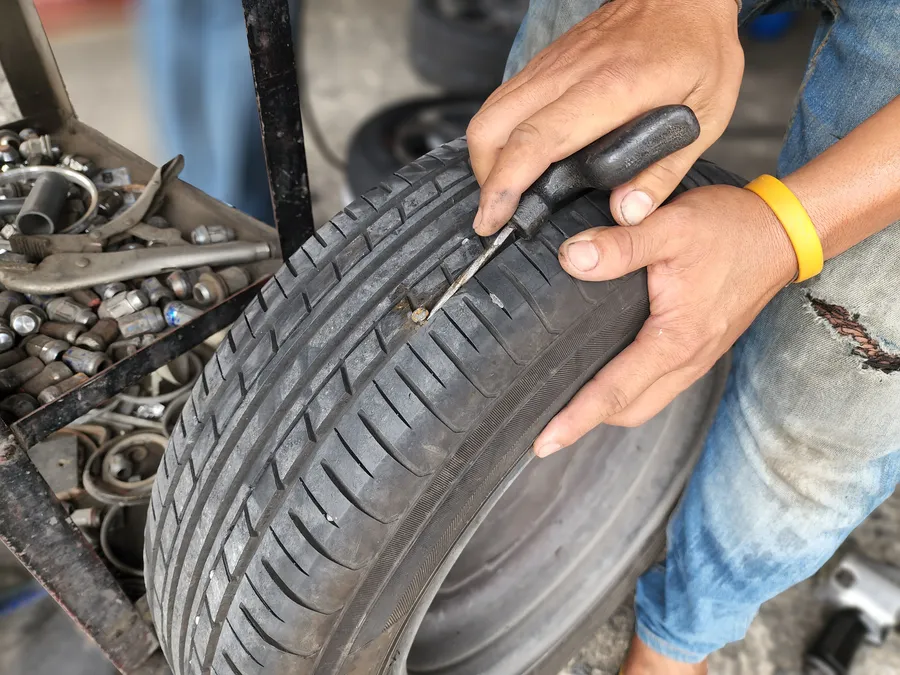
Nails, screws, and glass are common on busy roads. These items pierce tires without warning. Damage may stay hidden until pressure drops. In many cases, tire repair can fix a small puncture if caught early. Driving over debris at highway speed increases risk. Watching the road and avoiding debris piles helps. Regular pressure checks also reveal slow leaks.
With Low Tire Pressure Increasing Wear and Failure
Underinflated tires bend more as you drive. This creates heat and weakens internal layers. The tread wears unevenly and fails sooner. Low pressure also lowers gas mileage. Many cars now warn drivers of pressure loss. You should still check manually each month. Proper inflation keeps tires firm and responsive.
With Best Practices That Reduce Road Damage
Simple habits lower the chance of damage. These steps fit into daily driving. They also improve safety in traffic and bad weather.
- Check pressure before long drives
- Avoid sudden swerves into unknown areas
- Slow down on rough or wet roads
- Inspect tires for cuts or bulges
With Industry Standards and Safety Guidelines
Safety agencies suggest regular tire checks. The Department of Transportation recommends replacing tires with tread below safe depth. Most tires list proper pressure on the door frame placard. Shops follow set rules on puncture limits and patch placement. Repairs should not cross sidewalls. Following these standards keeps vehicles safe and legal.
With Cost Factors Drivers Should Expect
Costs depend on damage type and tire size. Small punctures cost less than sidewall issues. Ignoring damage raises expenses later. Worn tires also affect fuel use. Early checks offer better value over time. Spending a little now often prevents higher costs later.
With Guidance for Long-Term Driving Confidence
Located in Neoga, IL, we help drivers reduce risk with clear guidance and fast service. L & C Auto Repair Roadside and Towing Service focuses on road damage solutions that protect safety and time. We follow proven standards and clear steps on every visit. Call (217) 803-2265 to discuss options and plan safer driving ahead.