
Simple Ways to Keep Older Vehicles Reliable With Smart Care
High mileage vehicles need more thoughtful care to stay dependable. Parts wear down over time. Small issues can grow fast if ignored. Many drivers want their cars to last longer without huge costs. Regular checks and smart habits can slow wear. You can also avoid roadside surprises with early action. This guide explains clear steps to protect older vehicles. It focuses on safety, cost control, and daily driving needs.
Why Ongoing Care Matters as Miles Add up With Age
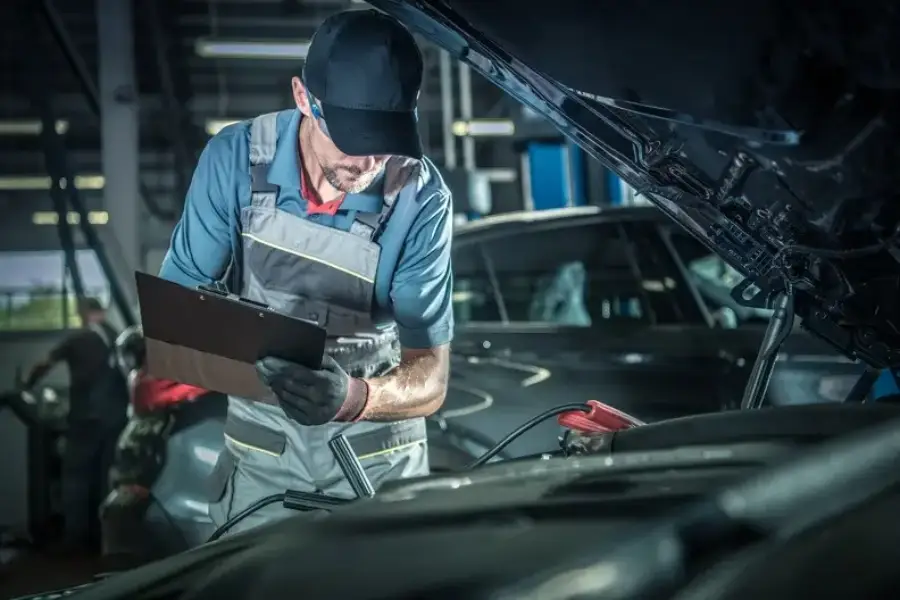
As miles increase, systems face more stress each day. Routine car repair helps spot small problems early. Rubber hoses crack, fluids break down, and seals weaken. Addressing these issues protects the engine and transmission. It also keeps fuel use steady. Drivers who keep a schedule often avoid major failures. This approach saves money over the life of the vehicle.
Key Advantages of Staying Proactive With Vehicle Upkeep
Planned visits for car repair reduce surprise breakdowns. You also gain better control of costs and timing. Regular service improves safety and resale value. Benefits usually include smoother starts, quieter rides, and steady braking. Many owners also see longer engine life with fewer leaks. These advantages grow more valuable as the odometer climbs.
Common Problems Drivers Face After 100,000 Miles
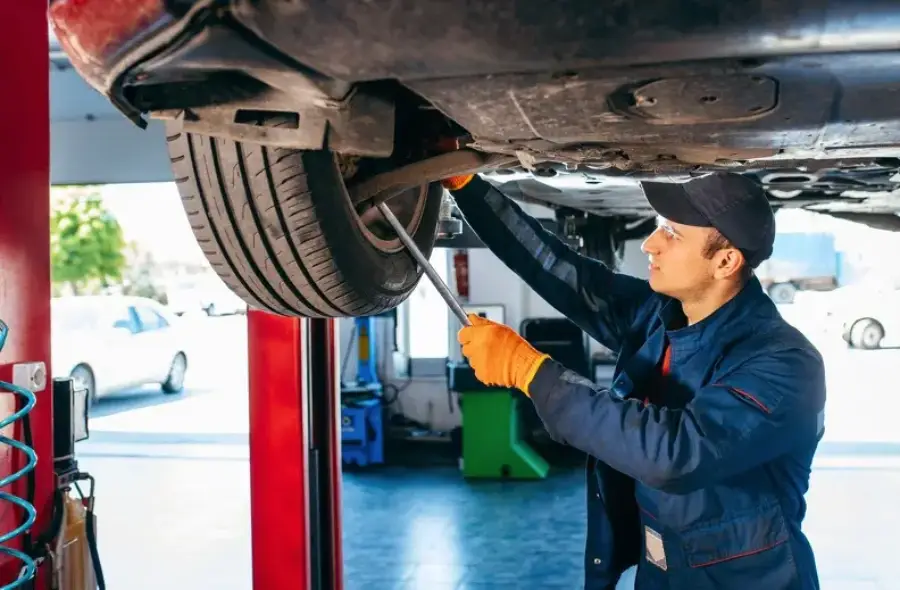
Older vehicles show patterns of wear that drivers should expect. Knowing them helps you act early and avoid stress. Common issues often involve heat, friction, and age.
- Oil leaks from worn gaskets and seals
- Cooling system failures from brittle hoses
- Suspension noise from worn bushings
- Electrical faults from corroded connectors
Step by Step Actions to Reduce Wear and Failures
A clear process helps you stay organized and consistent. Follow these steps to manage upkeep with less effort.
- Check fluids monthly and top off when low
- Listen for new sounds during daily driving
- Inspect belts and hoses at oil change visits
- Replace filters on a set schedule
- Scan warning lights as soon as they appear
Best Habits That Extend Vehicle Life With Fewer Repairs
Daily habits have a strong impact on older vehicles. Gentle driving reduces strain on moving parts. Let engines warm briefly before hard use. Avoid hard braking when possible. Experts also suggest keeping tires inflated and aligned. Best practices like these improve comfort and reduce sudden failures.
- Follow shorter service intervals
- Use fluids that meet factory specs
- Fix small leaks early
- Keep records of all service work
Industry Guidelines and Safety Standards With Older Cars
Safety rules still apply no matter the age of your vehicle. Brake systems must meet state inspection laws. Emissions parts must function within limits. Many states require working warning lights and intact exhaust systems. Following these standards protects you and other drivers. It also helps you pass inspections without repeat visits.
Understanding Costs and Value Over Time With Maintenance
Costs rise with age, but planning controls spending. Preventive service costs less than major part replacement. Comparing options helps you decide what to fix now or later. Pros and cons can guide these choices.
- Pros: lower risk of breakdowns, better safety, steady budgets
- Cons: frequent small expenses, time spent on visits
Reliable Support Options and Next Steps With Ongoing Service
Located in Neoga, IL, we offer dependable support for aging vehicles. L & C Auto Repair Roadside and Towing Service focuses on clear advice and honest inspections. Our technicians explain issues in plain terms. Call (217) 803-2265 to schedule service and discuss long term care plans that fit real driving needs.