
How Vehicle Transport and Repair Teams Work Together for Faster Fixes
Breakdowns cause stress, delays, and lost time. The process feels worse when communication fails. Clear coordination between towing providers and repair shops helps reduce delays and confusion. When teams share updates, vehicles reach the right shop faster. Repairs also start sooner. This coordination supports drivers, insurers, fleet managers, and shops. It also lowers errors during handoffs. Understanding how this coordination works helps you avoid delays. It also helps you make better service choices during emergencies.
How Coordinated Transport Improves Repair Timelines
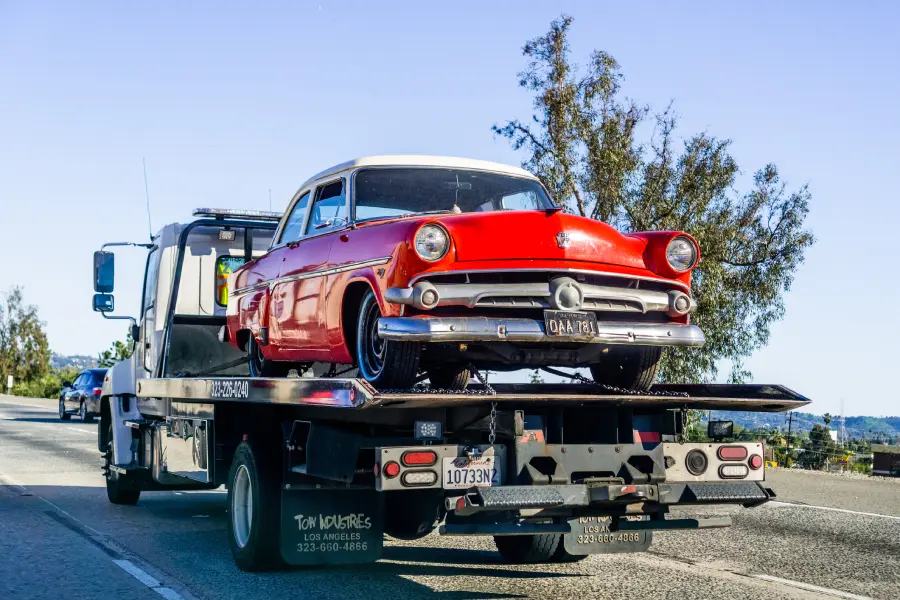
When an Auto Towing Service works closely with repair shops, timing improves. Dispatch teams confirm shop hours and space before transport. Tow operators share vehicle condition details before arrival. Shops prepare tools and parts in advance. This planning cuts waiting time. It also lowers storage fees. You benefit from faster diagnosis and fewer calls. Clear timing leads to smoother repairs and quicker returns.
Key Benefits Drivers and Shops Experience
Auto Towing Service coordination creates value for all parties. Drivers see fewer delays. Shops stay organized. Insurers get clearer records. Communication improves accountability across every step.
- Shorter vehicle downtime due to early repair planning
- Lower risk of damage during transfers
- Accurate service records shared between teams
- Reduced storage and holding costs
Common Problems Caused by Poor Coordination
Lack of coordination leads to missed steps. Vehicles arrive after shop hours. Shops lack space or parts. Tow drivers receive wrong instructions. These mistakes increase costs and frustration. Drivers feel ignored during updates. Shops face workflow issues. Insurers deal with unclear claims data. These problems slow repairs and hurt trust.
Step-by-Step Process That Improves Coordination
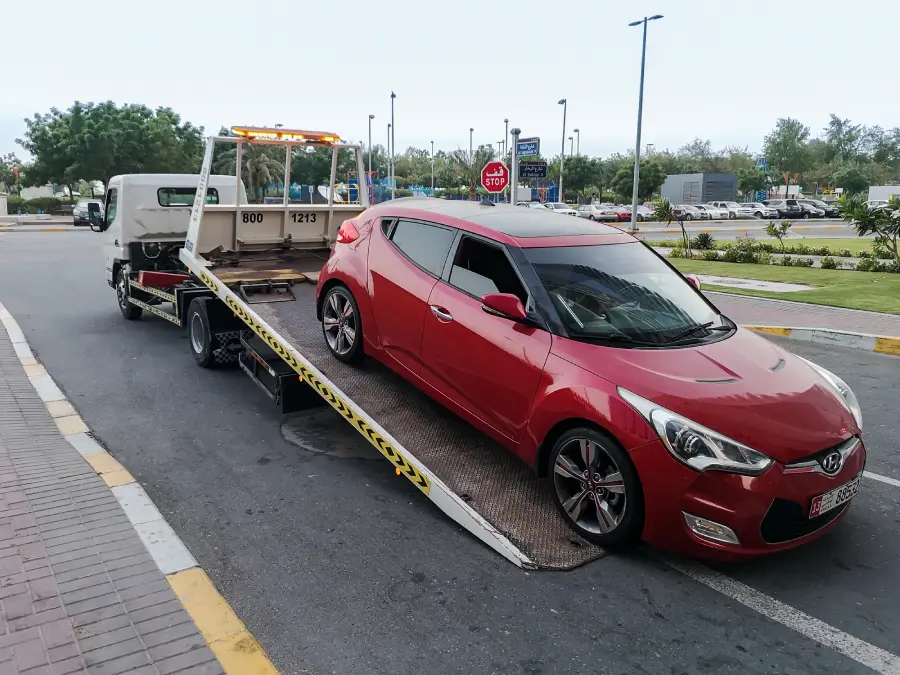
A clear process helps all teams stay aligned. Each step supports speed and accuracy. When followed, errors drop and updates improve.
- Dispatch confirms correct repair shop and operating hours
- Driver inspects vehicle and records condition details
- Shop receives advance notice with vehicle information
- Arrival time is shared with all parties
- Repair intake begins immediately after drop-off
Best Practices Used by Trusted Providers
Reliable coordination relies on consistent standards. Teams follow clear rules and use shared tools. These practices support better outcomes for customers.
- Use shared digital dispatch and tracking systems
- Train drivers on shop intake requirements
- Confirm authorization before vehicle release
- Document damage with photos and timestamps
Industry Standards and Compliance Needs
Coordination must follow industry rules. States set towing and storage laws. Repair shops follow safety standards. Data handling requires privacy protection. Proper documentation supports insurance claims. Compliance protects drivers and service providers. It also limits dispute risks. Choosing compliant partners helps avoid legal and financial issues.
Cost Factors and Value Considerations
Costs depend on distance, timing, and service type. Poor coordination adds storage and re-tow fees. Clear planning avoids extra charges. Insurers prefer coordinated teams due to fewer claims issues. Drivers save money through reduced delays. Value comes from speed, accuracy, and fewer repeat services.
Why Synchronized Teams Deliver Better Results
Coordination builds trust and efficiency. Drivers feel informed. Shops manage workloads better. Insurers receive cleaner documentation. When transport and repair teams align, results improve. You receive faster repairs with fewer surprises. This approach supports quality service from start to finish.
Auto Towing Coordination Support You Can Rely On
Based in Neoga, IL, we support clear vehicle transport and repair solutions. L & C Auto Repair Roadside and Towing Service focuses on reliable coordination between transport teams and repair partners. We use proven processes to reduce delays and confusion. Call (217) 803-2265 to discuss service needs and next steps.